The bill requires property appraisers to include information about a specific constitutional amendment in property tax notices. It also sets limits on the maximum tax rates that certain government units can charge. Additionally, it mandates that the Department of Revenue create a website to provide public access to details about the amendment that will be voted on in the November 2026 election.
The bill aims to change the Florida Constitution to limit how much property assessments can increase each year for certain homes. It also proposes to raise the homestead exemption, which reduces the amount of property tax homeowners pay. Additionally, it seeks to limit the use of property taxes that local governments can impose.
The bill aims to change the rules around homestead exemptions in Florida, which help reduce property taxes for homeowners. It would limit how much these exemptions can increase each year due to inflation and ensure that funding for public safety services stays at current levels. Additionally, it proposes creating a trust fund to help replace any lost tax revenue from these changes.
The bill updates the rules regarding the maximum property tax rates that certain government units can impose. It also allows for longer ballot summaries when proposing changes to the State Constitution. Additionally, it ensures that this act works in harmony with other laws passed during the 2026 legislative sessions.
The bill aims to change the Florida Constitution to limit how much property taxes can increase each year for certain properties. It also seeks to raise the homestead exemption, which reduces the taxable value of homes, and to set limits on local taxes imposed by counties and cities. Additionally, it proposes creating a trust fund for specific purposes related to these changes.
The bill changes the way money collected from the documentary stamp tax is shared among various programs and agencies. It specifically stops certain funds from being sent to the South Florida Regional Transportation Authority, which could impact transportation funding in that region.
The bill FL H5205 proposes changes to the rates that employers must contribute to the Florida Retirement System (FRS) for different classes and subclasses of employees. This means that the amount of money employers put into retirement funds for their employees could be adjusted. The goal is to ensure that retirement funding remains sustainable and adequate for all members.
The General Appropriations Act (FL H5001) is a state budget bill that allocates funds for the fiscal year starting July 1, 2026, and ending June 30, 2027. It also includes additional appropriations for the period ending June 30, 2026, to cover salaries, operational expenses, and improvements for various state agencies.
The bill FL H5201 aims to address situations where state employees and their representatives cannot agree on collective bargaining issues. It outlines a process for resolving these disputes based on specific guidelines. Essentially, it seeks to ensure that negotiations between the state and employee representatives can continue effectively even when they reach an impasse.
The Florida bill H5301 aims to change how Medicaid providers are reimbursed and establishes a new program to assist individuals in accessing eligibility for health care services. It also requires the state health departments to coordinate funding and select a contractor to manage this new program. Additionally, it removes previous provisions related to health care innovation in Florida.
The bill updates various rules related to health insurance assessments for state agencies and the management of the Capitol Complex, including parking and long-term planning. It also aims to improve support for minority and small business enterprises in state contracting and procurement processes. Additionally, it addresses funding for law enforcement communication systems.
The bill FL H5003 is designed to put into action the budget allocations set forth in the General Appropriations Act for the fiscal year 2026-2027. It outlines how state funds will be distributed for various programs and services during that time period.

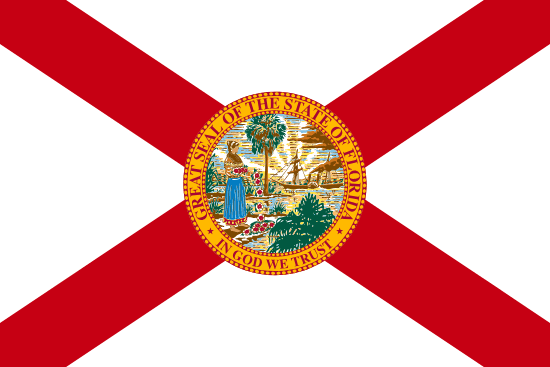 Florida