The bill allows the Children Trust Michigan State Board to hold meetings remotely, making it easier for members to participate without being physically present. This change is an amendment to the Open Meetings Act, which governs how public meetings are conducted in Michigan. The bill is tied to another piece of legislation, HB 4807.
The bill allows Michigan to join the Physical Therapy Licensure Compact, which would make it easier for physical therapists licensed in other states to practice in Michigan without needing a separate state license. This aims to streamline the process for physical therapists and enhance access to care for patients. The bill is linked to another piece of legislation, HB 4102.
This bill allows for the sharing of certain information related to juvenile justice cases for research purposes. It amends existing laws to facilitate this information exchange, which can help improve understanding and services in the juvenile justice system. The goal is to enhance research efforts that could lead to better outcomes for juveniles involved in the justice system.
Michigan House Bill 4208 allows health insurance policies to exclude certain federal benefits that are considered excepted benefits. This means that insurance companies can choose not to cover specific federal health benefits under their plans. The bill is linked to another piece of legislation, HB 4207.
This bill allows retired county employees to work in a county sheriff's office without losing their retirement benefits. It amends existing legislation to make it easier for these retirees to return to work in law enforcement roles. This change aims to address staffing shortages in sheriff's offices while supporting experienced personnel.
Michigan House Bill 5630 provides funding for K-12 schools, higher education, and community colleges for the fiscal year 2026-2027. The bill outlines how these funds will be allocated and includes amendments and repeals related to previous appropriations. This legislation aims to support educational institutions across the state.
Michigan House Bill 4805 increases the rolling average amount that can be disbursed from the Children's Trust Fund. This fund supports programs that benefit children and families in the state. The bill aims to provide more financial resources to help these programs better serve their communities.
This bill establishes a licensure compact for occupational therapists in Michigan, allowing them to practice in other states that are part of the compact without needing additional licenses. It amends existing health occupation laws to include this new section. The bill is connected to another piece of legislation, HB 4104.
The bill modifies existing laws related to the Amber Alert system in Michigan, which is used to quickly disseminate information about abducted children. It updates specific sections of the law to improve communication and reporting processes for law enforcement agencies. The goal is to enhance the effectiveness of the Amber Alert system in protecting children.
The bill modifies the Michigan Amber Alert Act to improve the reporting process for law enforcement when a child goes missing. It aims to enhance the efficiency and effectiveness of alerts to help locate abducted children more quickly. By updating the existing law, the bill seeks to ensure better coordination among agencies involved in these critical situations.
This bill establishes new requirements for the approval of teacher preparation programs in Michigan. It aims to enhance the standards and criteria that these programs must meet to ensure that future teachers are well-prepared for their roles in the classroom.
Michigan House Bill 4104 updates the licensure process for occupational therapists to align with the Occupational Therapy Licensure Compact. This means that licensed occupational therapists can practice in multiple states without needing to obtain separate licenses for each state. The bill aims to streamline the process and improve access to occupational therapy services.

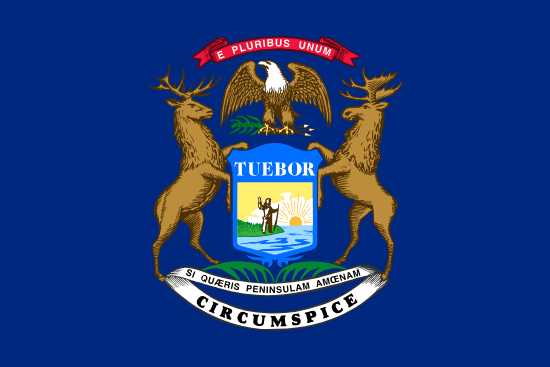 Michigan