
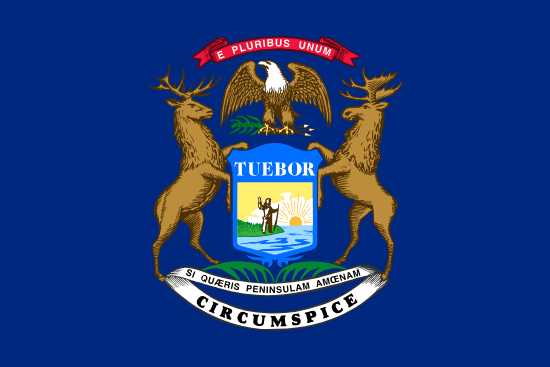
 MI SB0049
Michigan Senate Bill 49 (SB0049) proposes comprehensive updates to the Michigan Occupational Safety and Health Act (MIOSHA) to enhance workplace safety standards. Key provisions include: 1) Expanding the definition of 'employer' to encompass a broader range of entities, ensuring more workplaces are subject to MIOSHA regulations. 2) Increasing penalties for safety violations to strengthen enforcement and deter non-compliance. 3) Mandating that employers provide additional training and resources to employees, aiming to reduce workplace hazards and promote a safer working environment.
Supporters of SB0049, including labor unions and worker advocacy groups, commend the bill for its potential to significantly improve worker safety across Michigan. They highlight the expanded employer definitions and increased penalties as crucial steps toward holding more businesses accountable for maintaining safe workplaces. The emphasis on enhanced employee training is also praised for proactively addressing potential hazards and fostering a culture of safety.
Opponents, particularly from business associations and small business owners, express concerns that the expanded definitions and heightened penalties could impose undue burdens on businesses, especially smaller enterprises with limited resources. They argue that the increased regulatory requirements may lead to higher operational costs and potential job losses, suggesting that the bill could have unintended economic consequences.
About This Analysis
This summary was generated using AI from the bill's official text and metadata. Data sourced from LegiScan and the Michigan Legislature. Conflict-of-interest analysis for this bill is coming soon.
