This bill proposes to extend the presumption of causation for heart and respiratory diseases to certain members of police, fire, and public safety departments under worker's compensation laws. This means that if these workers develop these health issues, it would be assumed that their job contributed to their condition, making it easier for them to receive benefits. The bill aims to recognize the risks associated with these professions.
The resolution designates February 2025 as Michigan 2-1-1 Month. This month will be used to raise awareness about the 2-1-1 service, which helps residents access community resources and support. The initiative aims to highlight the importance of this service in connecting people to essential services.
This bill aims to eliminate local jury boards in Michigan and establish a centralized jury process. It proposes changes to several sections of existing law to streamline how juries are selected and managed across the state. The goal is to create a more uniform and efficient system for jury service.
This bill amends the Uniform Condemnation Procedures Act to remove outdated references to juries following a recent repeal. It specifically updates section 12 of the law to ensure it aligns with current legal standards. The bill is tied to another piece of legislation, HB 4091.
This bill aims to change the rules regarding who can serve on juries in Michigan. It would allow individuals with certain criminal records and those with protected statuses to be eligible for jury duty, while also modifying the rules around how lawyers can dismiss potential jurors without giving a reason.
This bill officially designates February 2025 as Black History Month in Michigan. It aims to recognize and celebrate the contributions and history of Black Americans. The resolution has been sponsored by Representative Amos O'Neal and has successfully passed through the legislative process.
This bill proposes changes to Michigan's individual income tax laws by allowing certain gratuities received by tipped employees to be excluded from taxable income. This means that workers who rely on tips, such as waitstaff and bartenders, may not have to pay taxes on a portion of their earnings from tips. The aim is to provide financial relief to those in the service industry who depend heavily on gratuities.
The bill is a resolution that allows the Michigan Senate and House of Representatives to hold a joint convention. This type of meeting is typically used for special occasions, such as addressing the public or honoring individuals. It aims to foster collaboration and communication between the two legislative chambers.
This bill proposes changes to the property tax credit for individual income taxes in Michigan. It aims to increase the taxable value cap for homesteads eligible for this credit and adjust the factors used to determine the credit amount. Essentially, it seeks to make property tax credits more accessible for homeowners.
Michigan House Bill 4084, introduced by Representative Ron Robinson on February 13, 2025, aims to establish a program within the Michigan Department of Transportation (MDOT) to fund the construction and maintenance of noise abatement measures, such as sound walls, along state trunk line highways. The bill proposes that MDOT create and operate a noise abatement measure program to provide funding for these projects in areas where no such measures currently exist. The program would allow MDOT to construct or maintain noise abatement measures at the request of local road authorities and to provide grants or loans to local road authorities for these purposes. Additionally, MDOT is required to establish a review process for considering applications under this program, which includes identifying criteria, assigning weights to each criterion, and developing a scoring system to evaluate each project based on these weighted criteria. ([legiscan.com](https://legiscan.com/MI/text/HB4084/id/3118507?utm_source=openai))

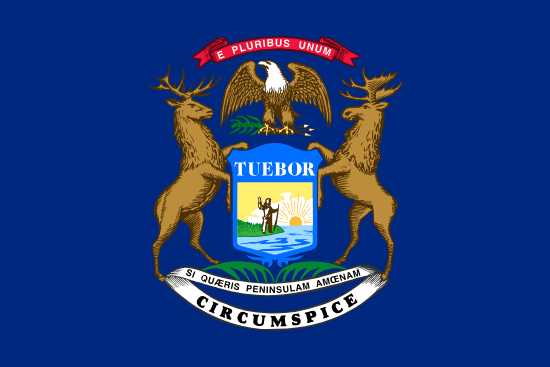 Michigan Legislation